Sign Up, Its Free

Join our Affiliate Program by simply copying the link of our products on your site and earn affiliate commission on every sale

Are you a Marketing expert, having some strategic tools? Come and Join as our Vendor

If you are a Vendor looking to sell tools in any specific category which is not present at the moment on our platform, for instance, say "Branding and Strategy." Simply, email us along with one of your sample business tools on "[email protected]" and we will add the same after verifying.

We have our showcased inventory as well so that the upcoming vendors can view the quality of business tools we are looking for.

What's New

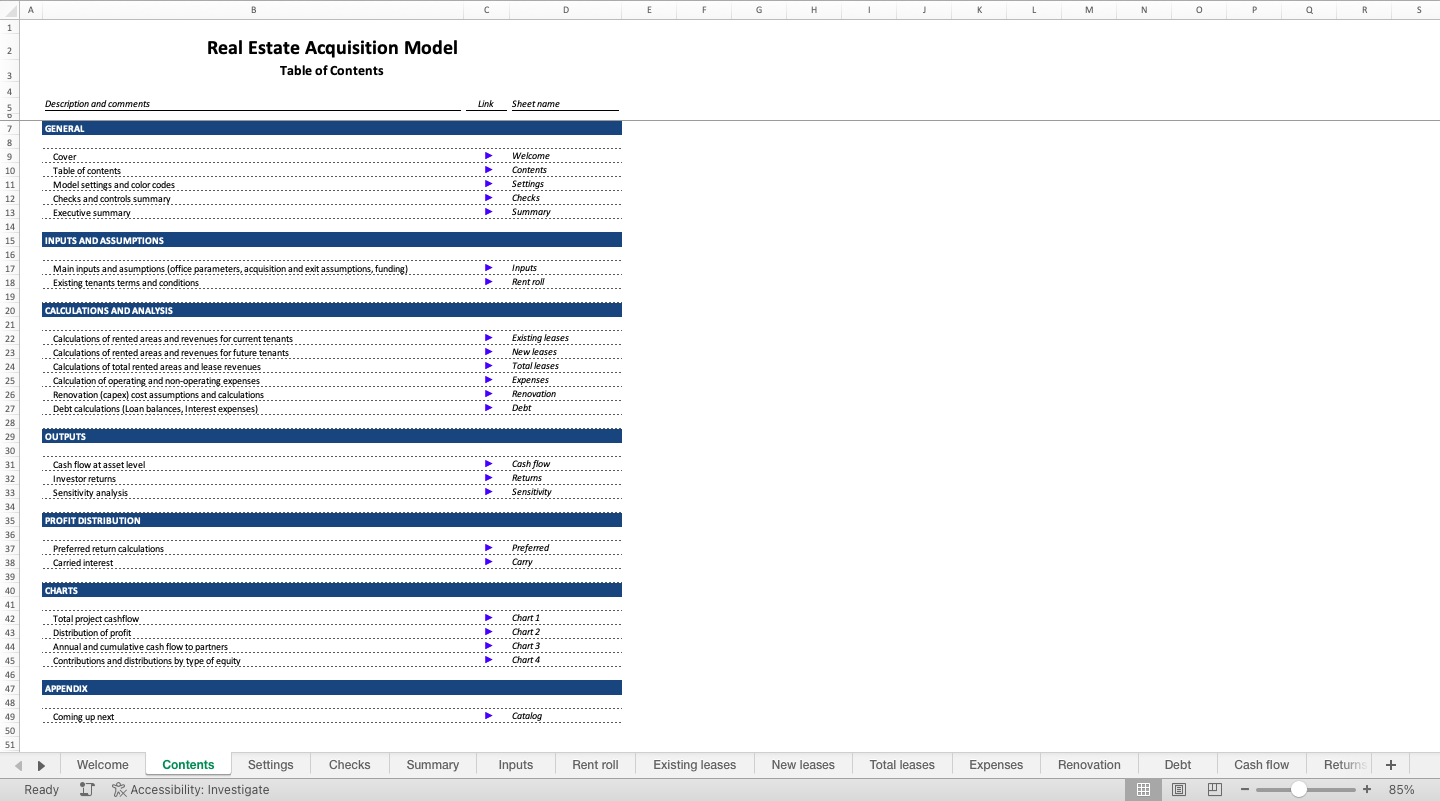
Real Estate Acquisition Financial Model

Type of Business :

Real Estate Financial Models

Price : USD 59 59.00

Need More Clarifications/Customized Tool? Generate Ticket

Add to Wishlist icrest approved product

  • Short Description

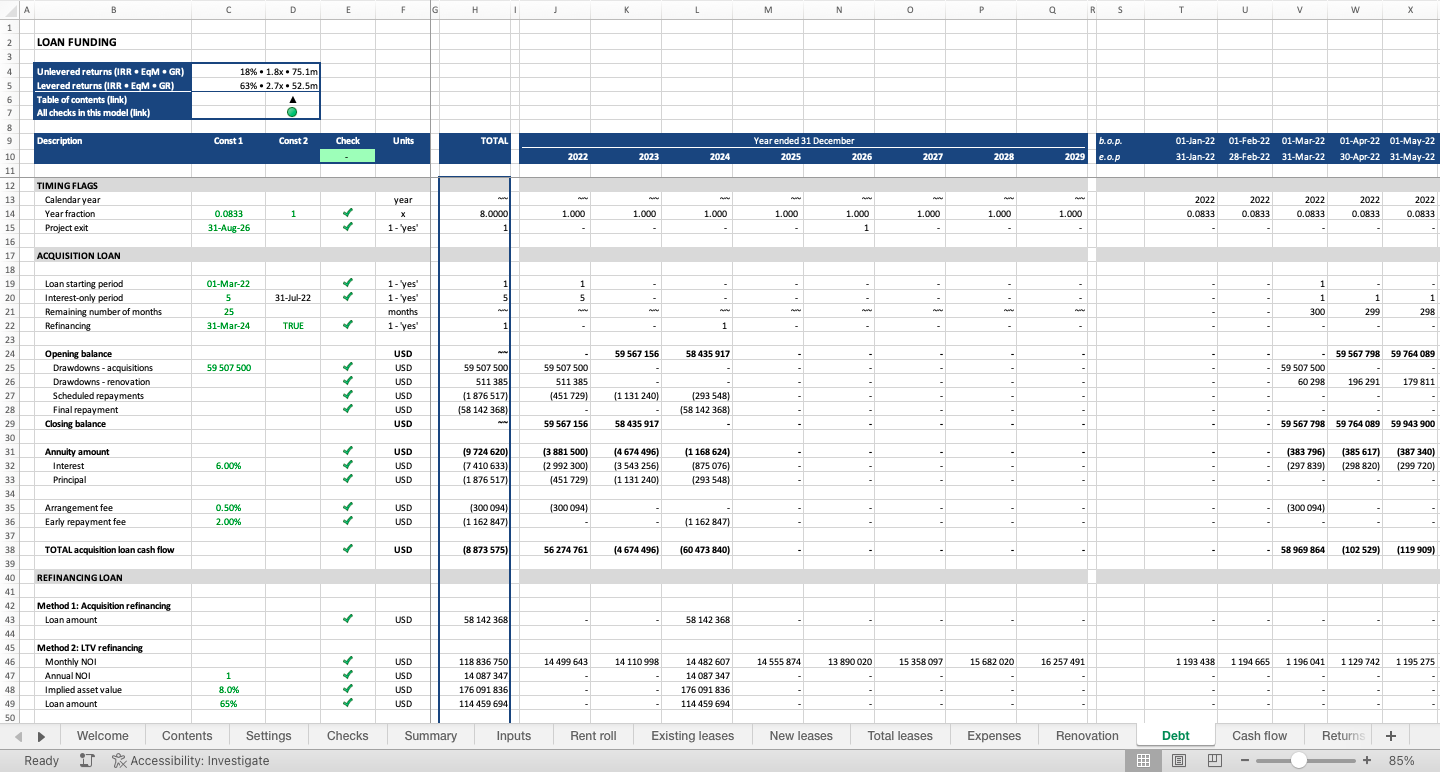
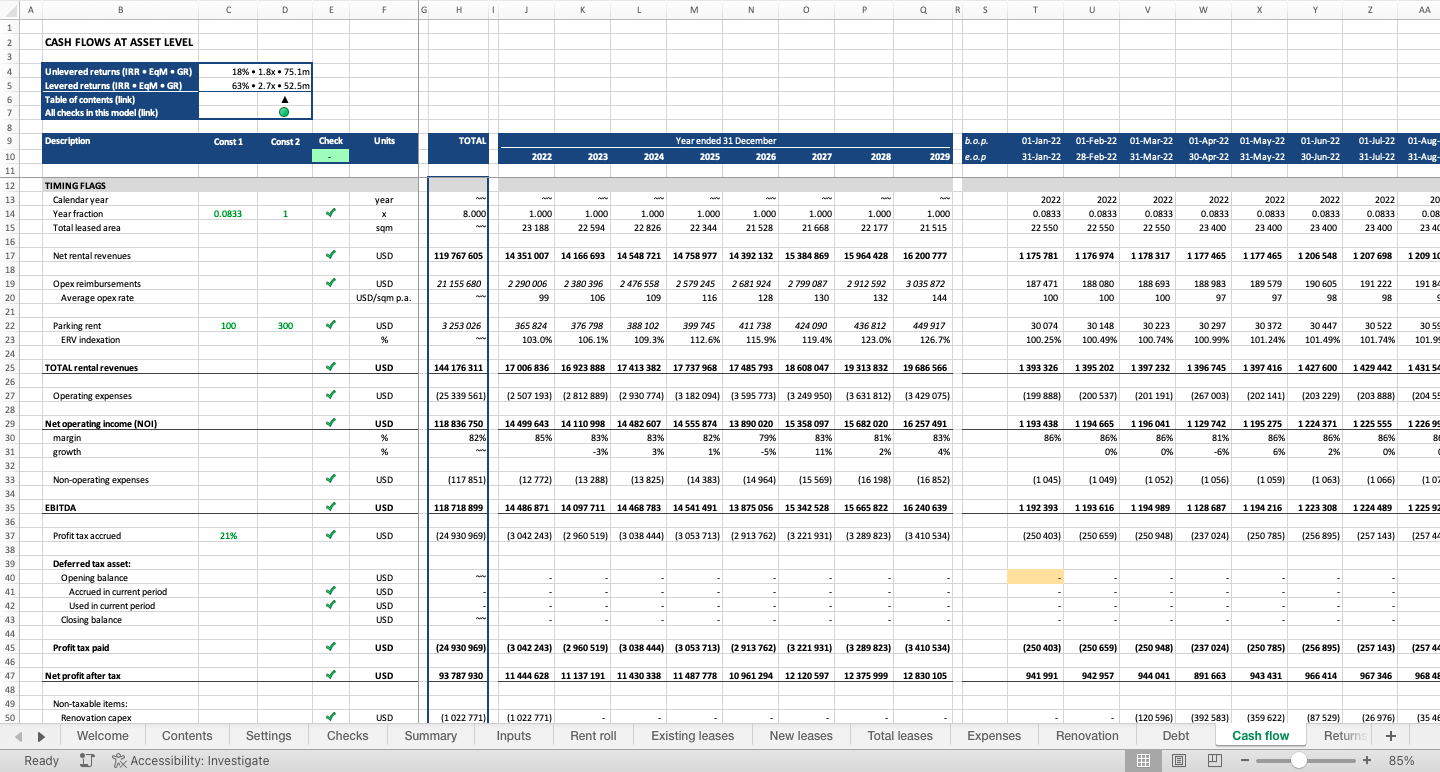
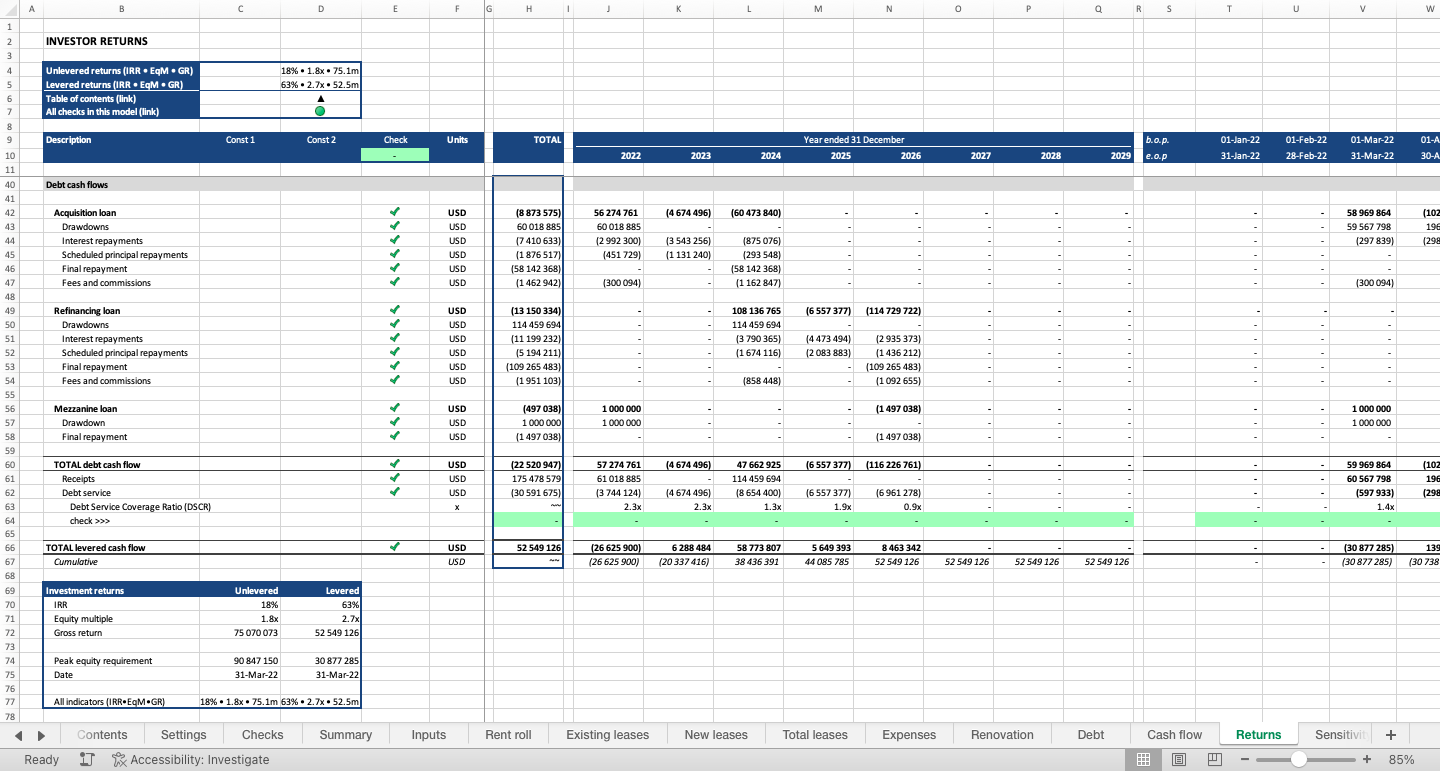
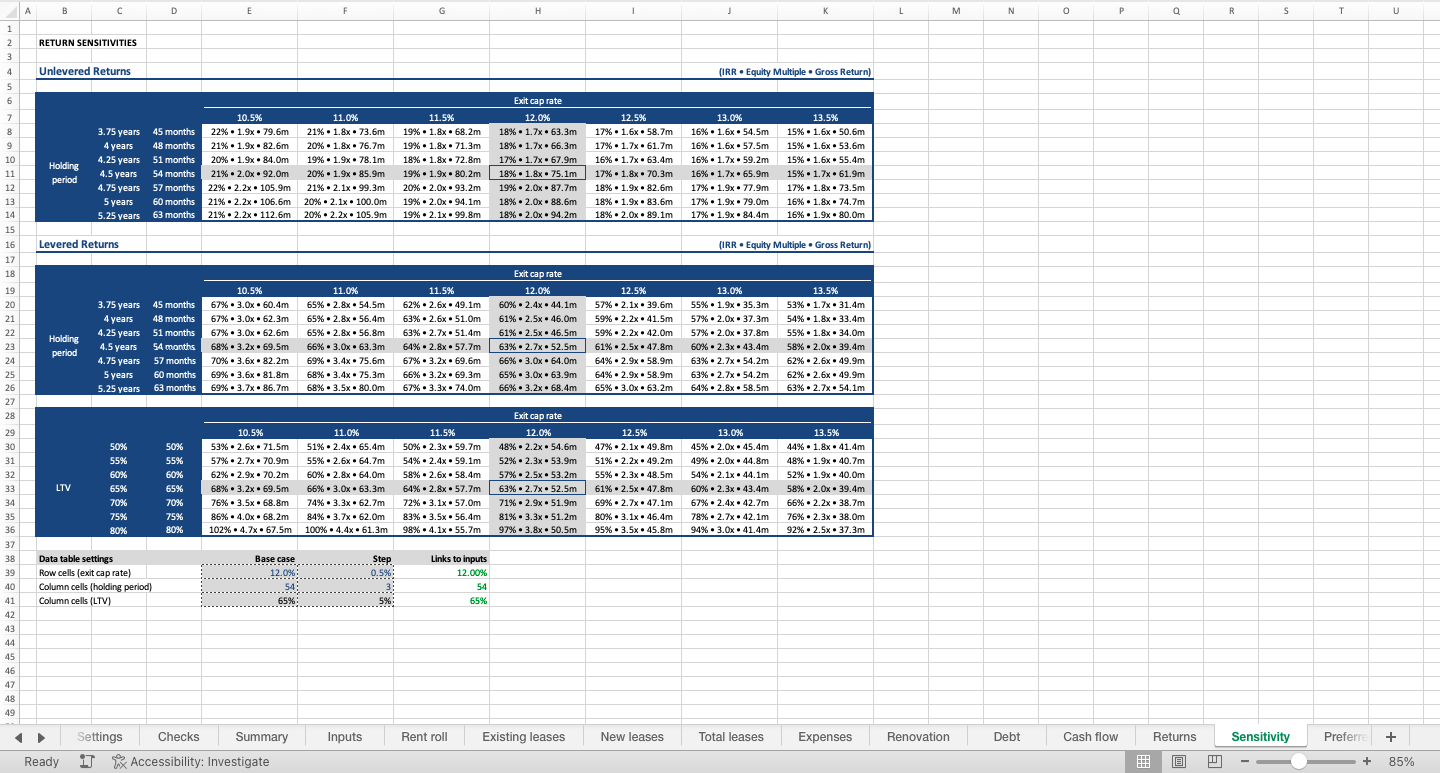
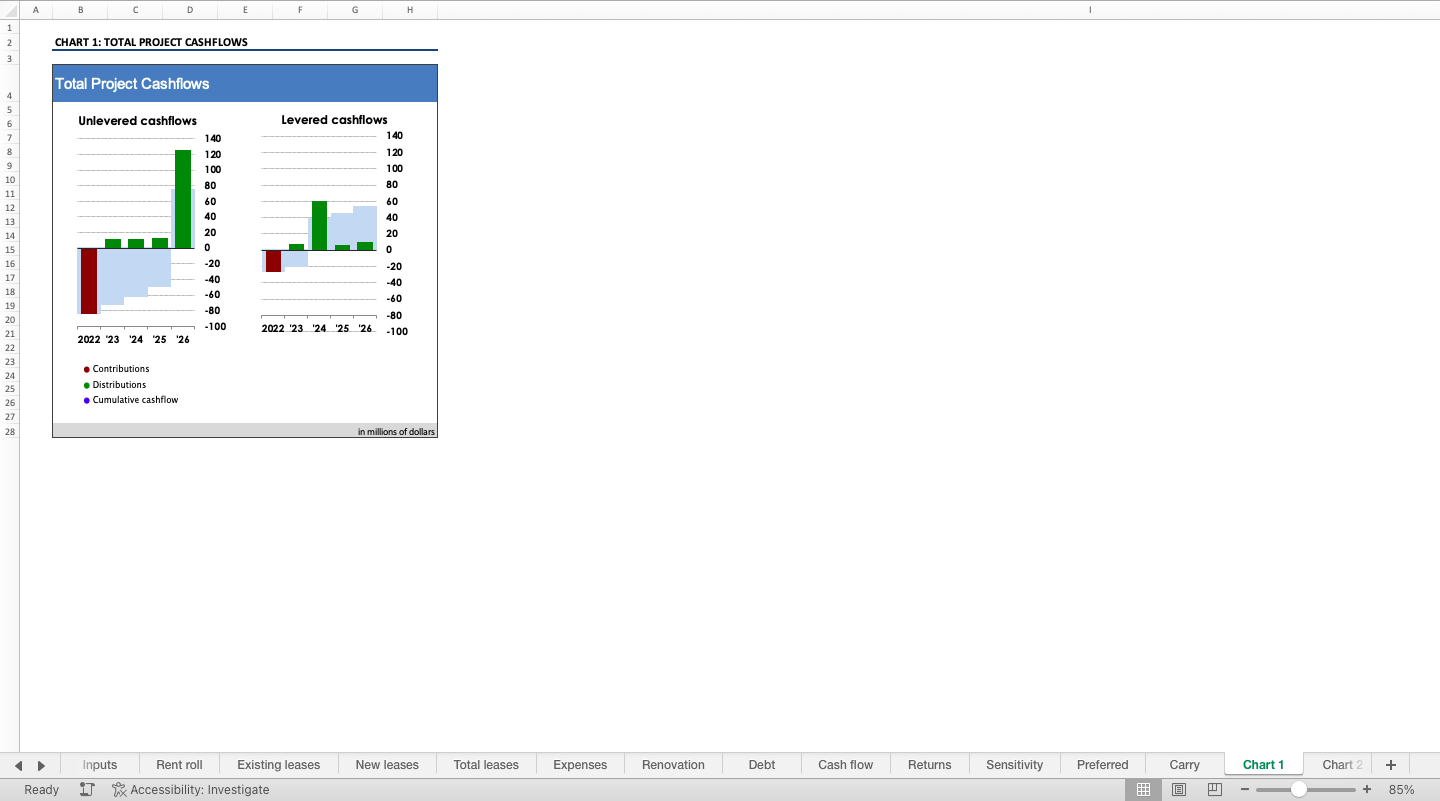
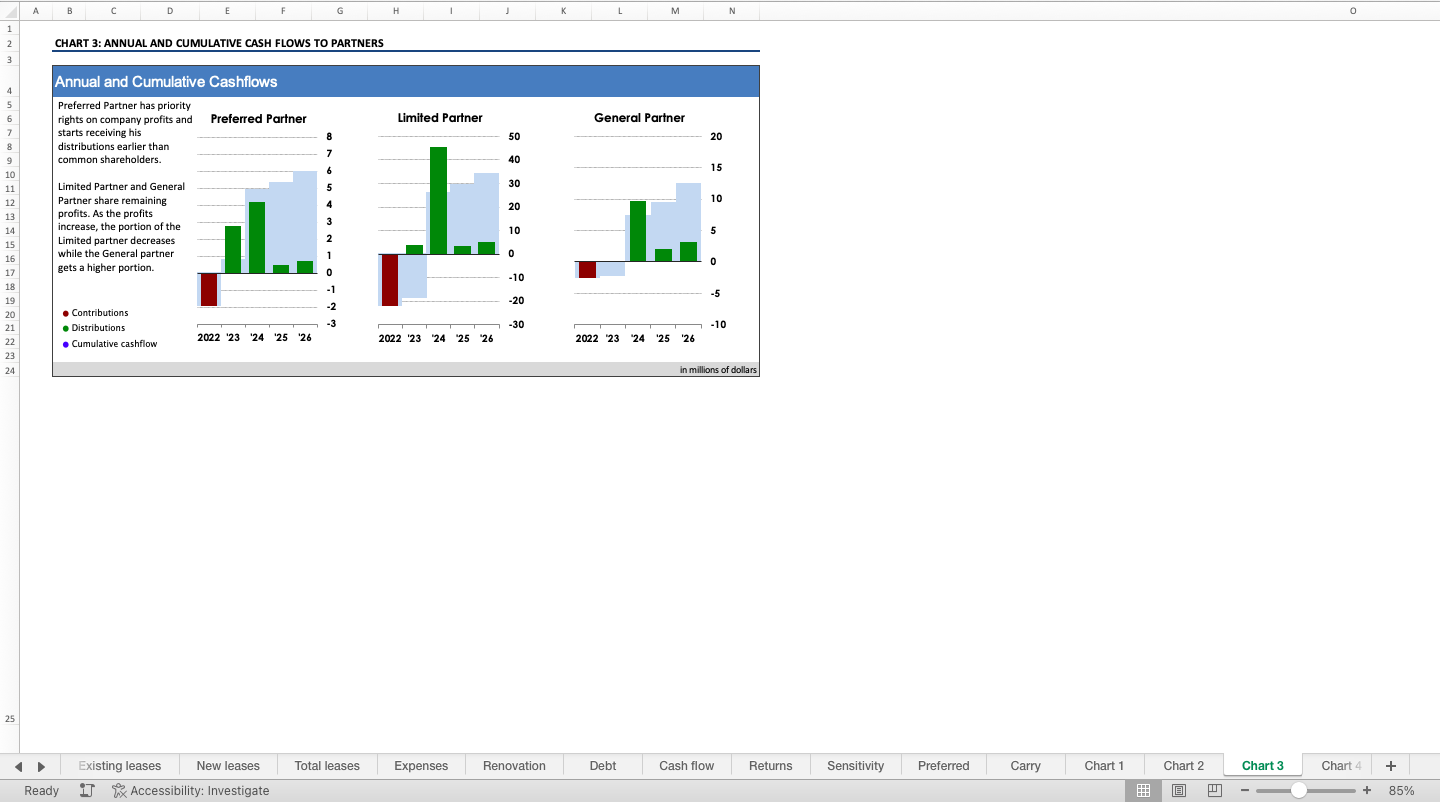
    A professional model for real estate acquisition (buy – hold – sell). Covers all aspects of acquisition of a commercial property (purchase price, rental revenues, operating expenses, debt financing, exit analysis). Illustrated by professionally designed magazine-quality charts.

  • Full Description

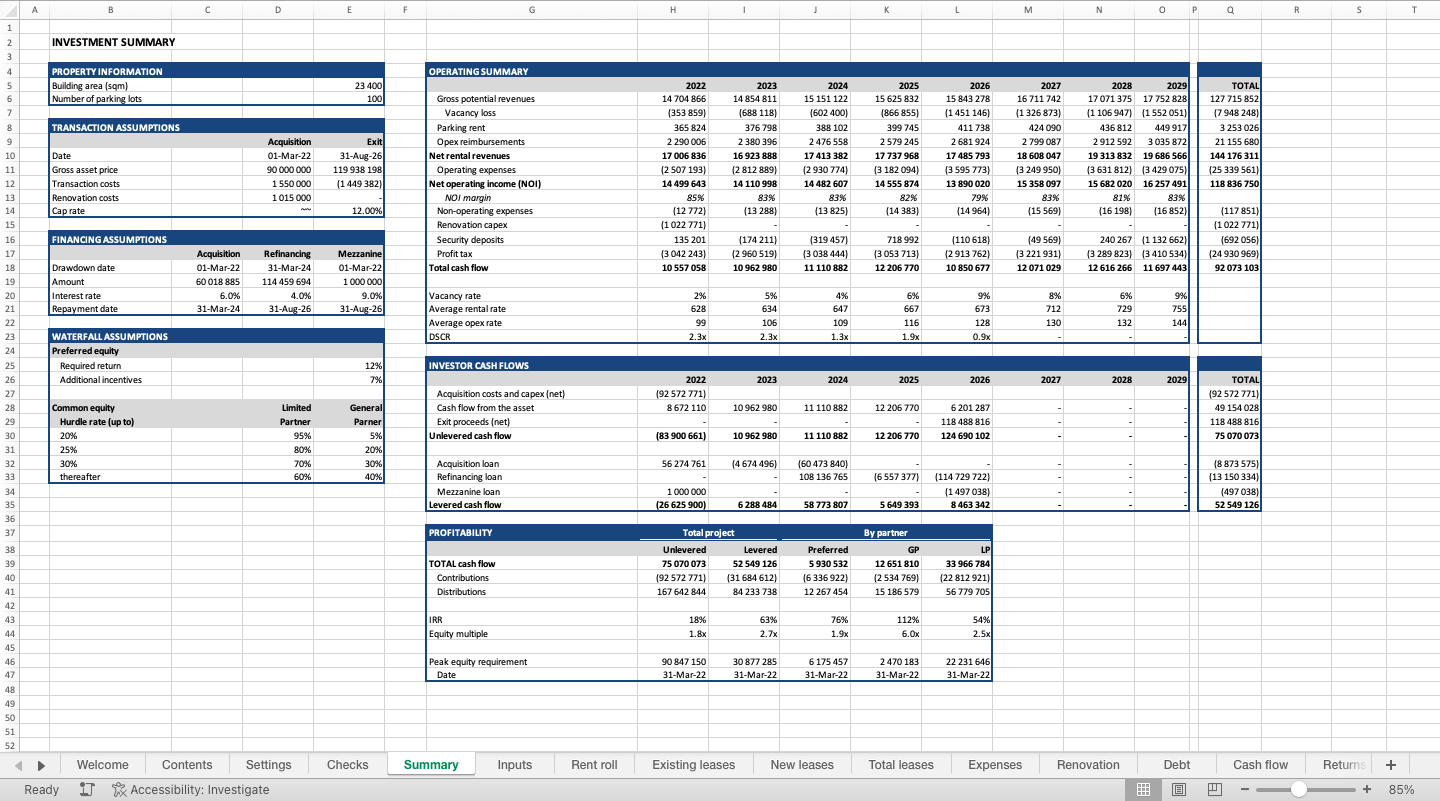
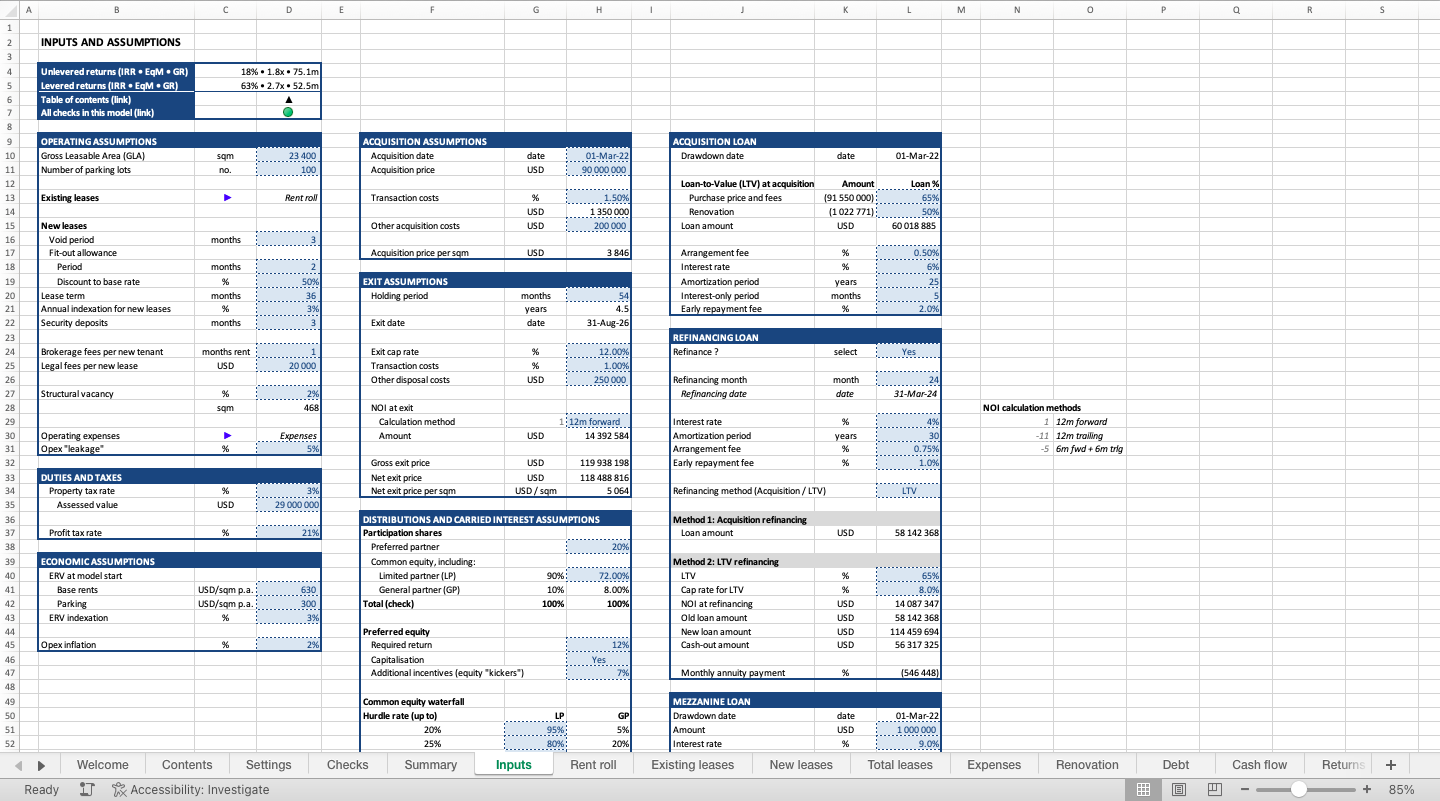
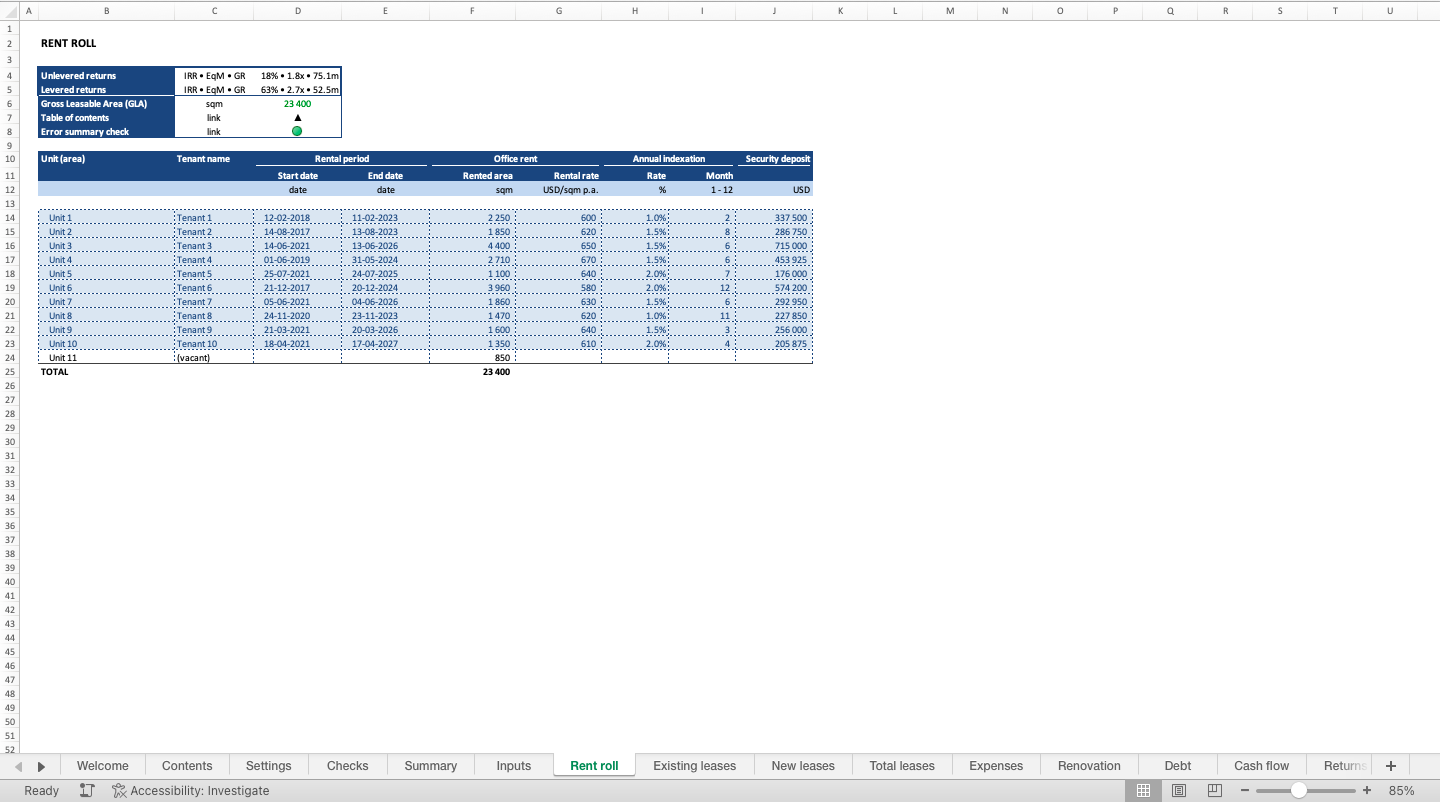
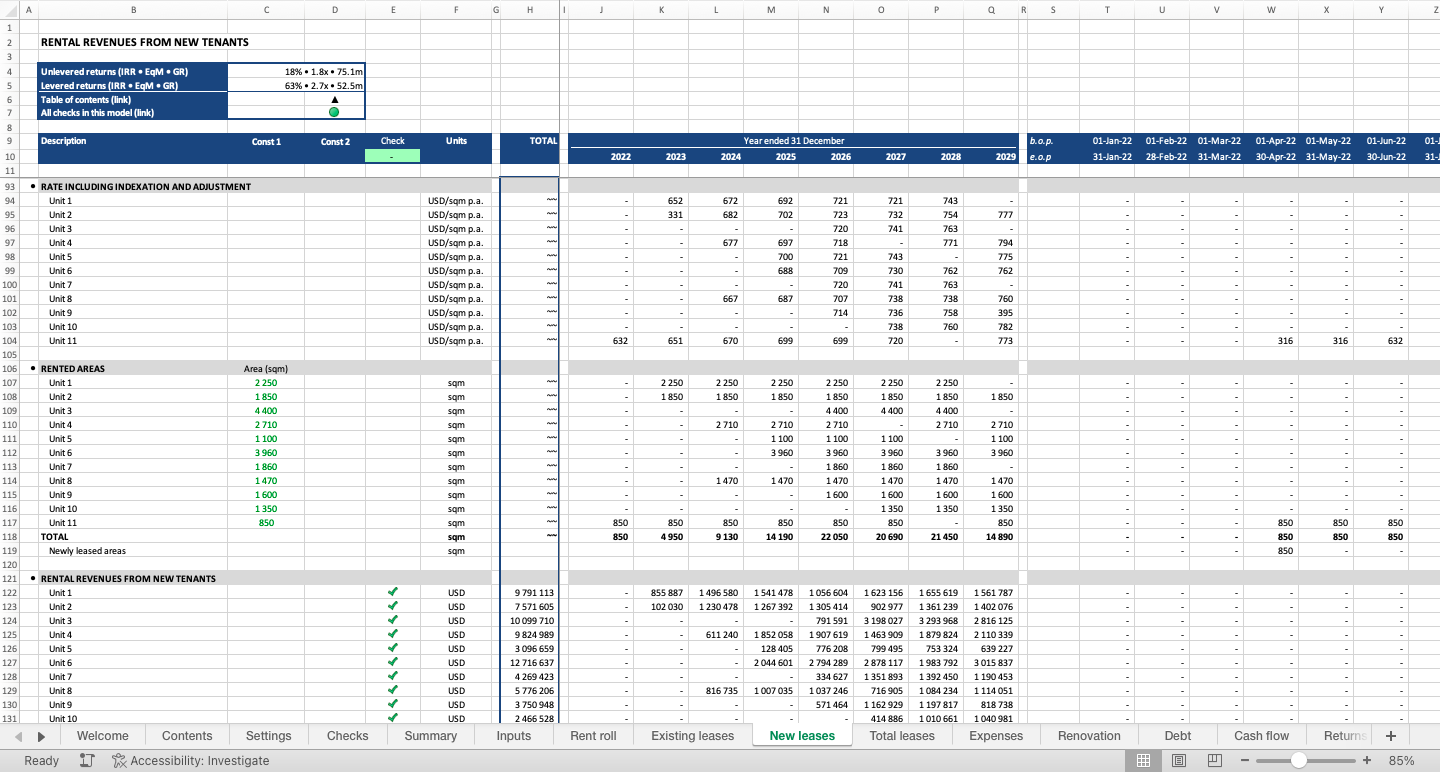
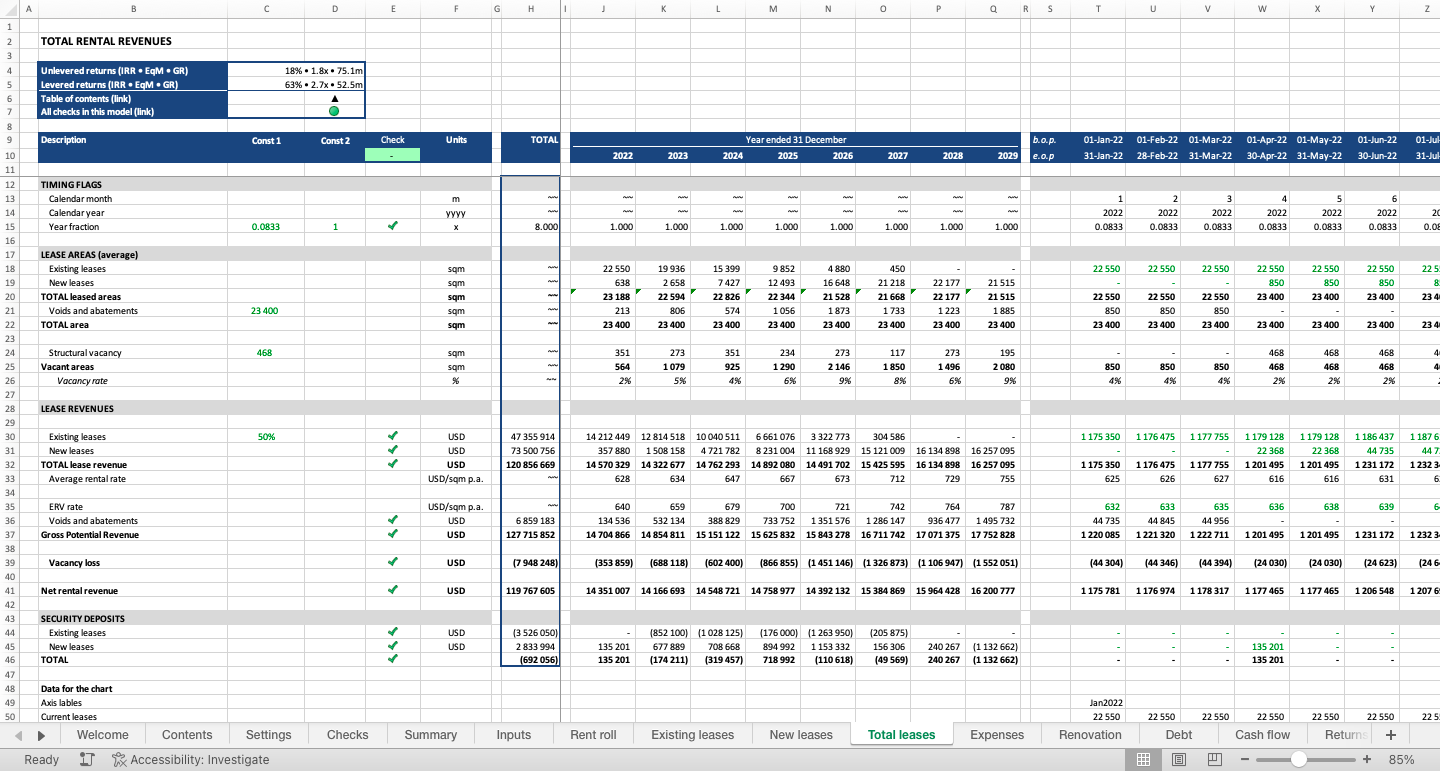
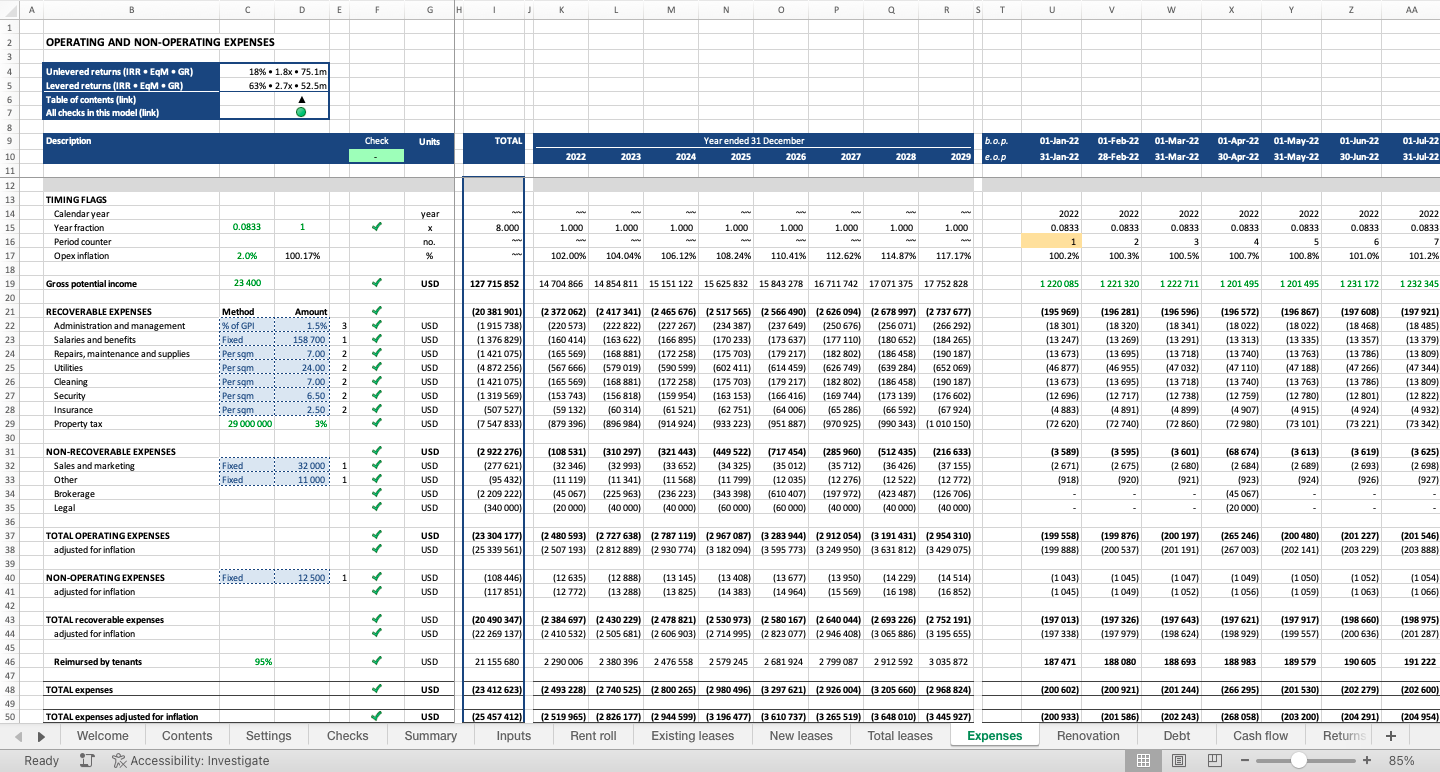
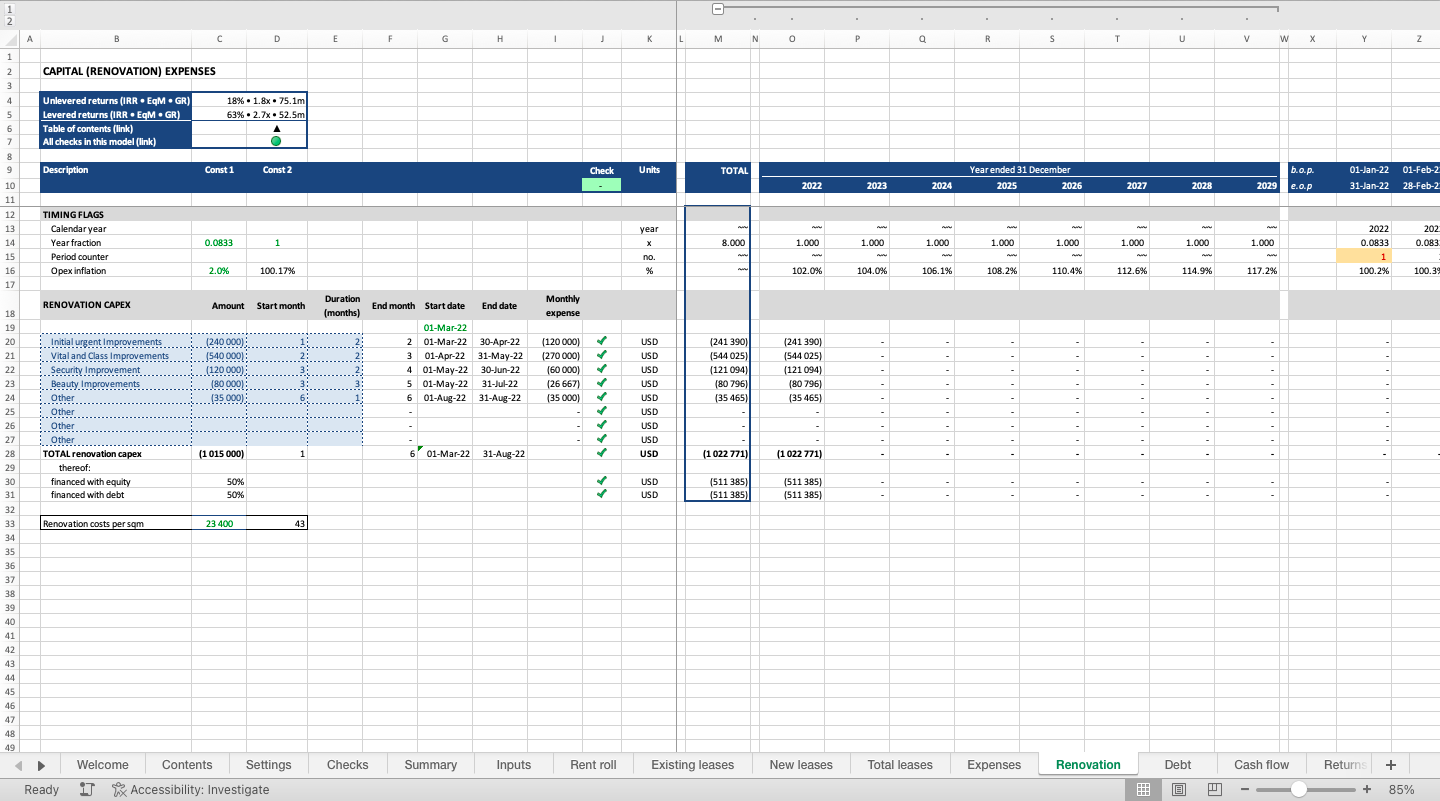
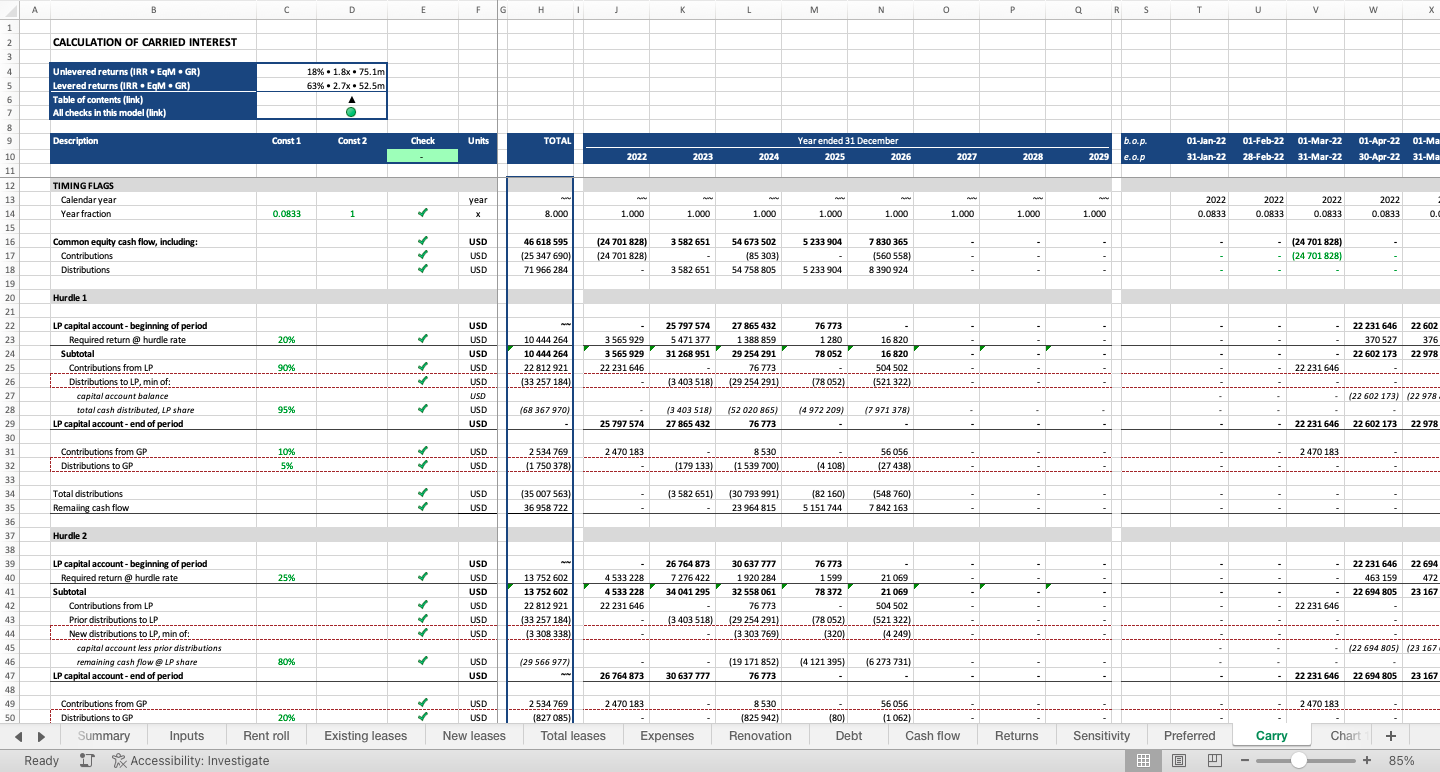
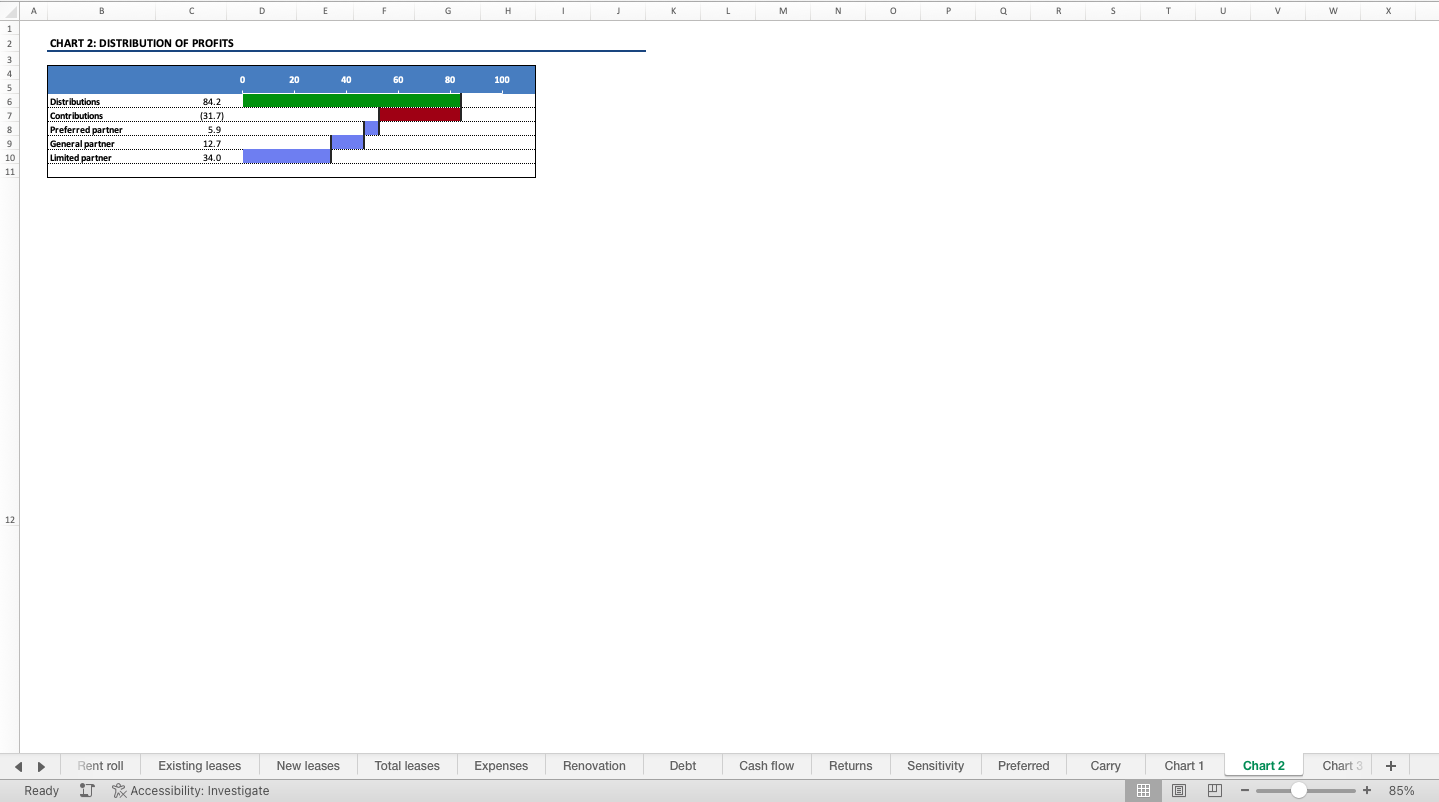
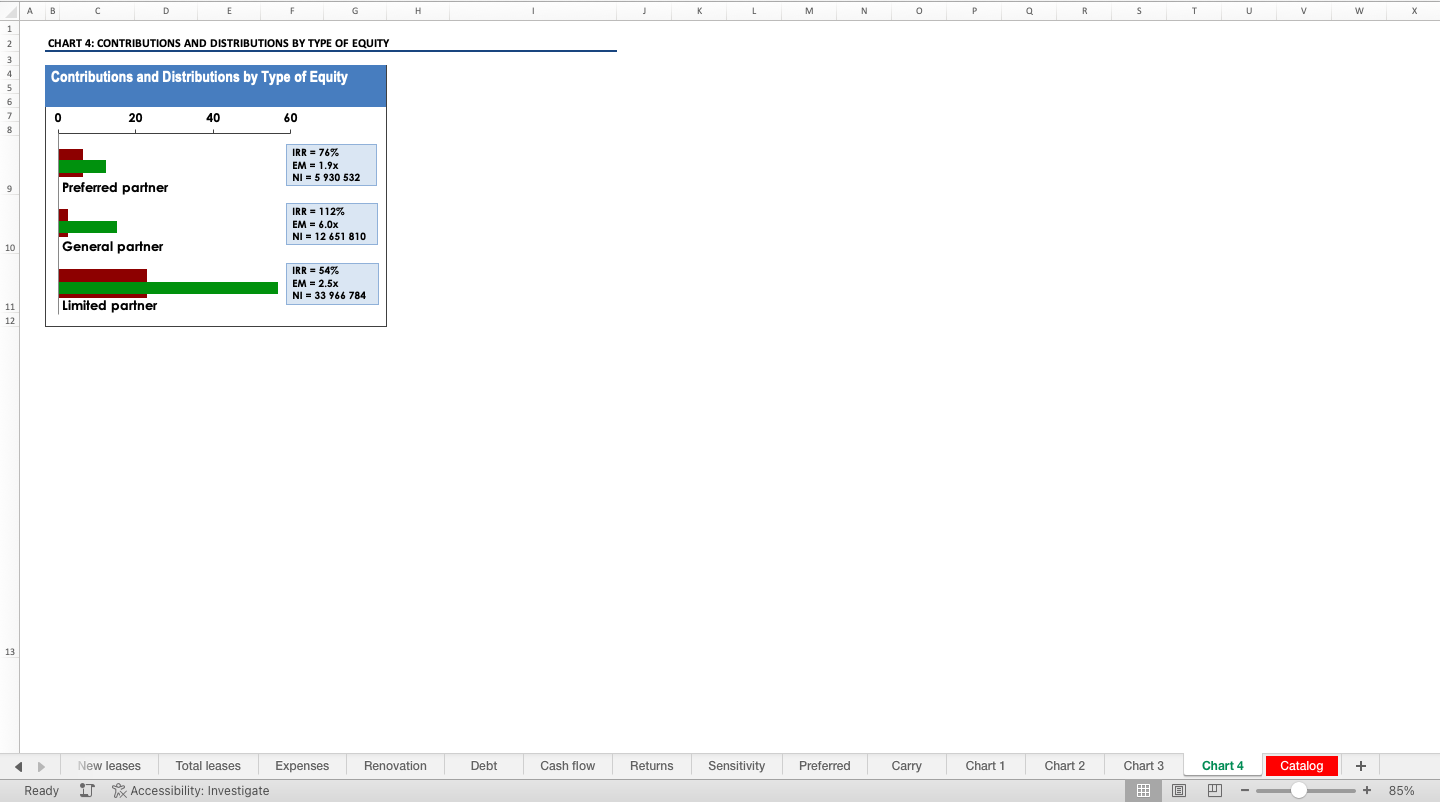
    A real estate acquisition project (office, warehouse, retail) starts with a purchase of an existing property. At this stage you have to consider the amount of investment, timing (usually a one-off payment when buying an existing property). The building might require some renovation capex which you will also need to fund. The project is often financed by a combination of debt and equity, and for the debt portion there can be different LTV assumptions, interest rates, repayment conditions, loan fees. To bridge any gaps in funding, you can take a mezzanine loan. Usually this loan is relatively small and has a higher interest rate. An existing property is in most cases leased out to tenants and generates rental revenues. There are many operating parameters to take into account: lease terms (rental rates, rent indexation), vacancy rate, void periods between tenants, operating costs, non-reimbursable expenses (“opex leakage”), brokerage fees and many else. It is important to model those parameters properly as they have a significant effect on project profitability. A stabilized property has a more conservative risk profile. This means you can draw financing for it at lower interest rate, so you refinance your initial acquisition loan with a new one, under better conditions. These conditions, again, can be very diverse. For instance, the amount of new loan can be the same as the old one. Or you can borrow more money (as much as refinancing LTV allows) and distribute (“cash out”) the excess between the shareholders. In either case the new loan terms will include the date of refinancing, interest rate, timing of repayment, fees and commissions. Finally, after holding the property for a certain period comes the time to sell it to a new investor. A capital gain can be achieved owing to increased profit and expansion of multiples (compression of cap rate). It is important to test several scenarios or run a proper sensitivity analysis. If the project is made in partnership by several co-investors, there will be distributions of profits in line with agreements (“waterfall”) which can also be modeled upfront. I have developed this model to analyze real estate acquisitions considering the above parameters. The model is sufficiently detailed and yet generic enough to be used for virtually any real estate project. It produces cash flow statements at asset and investor levels. It also calculates key profitability metrics (IRR, equity multiple, gross return, peak equity requirements) for every investor. The model findings are illustrated by professionally designed magazine-quality charts.

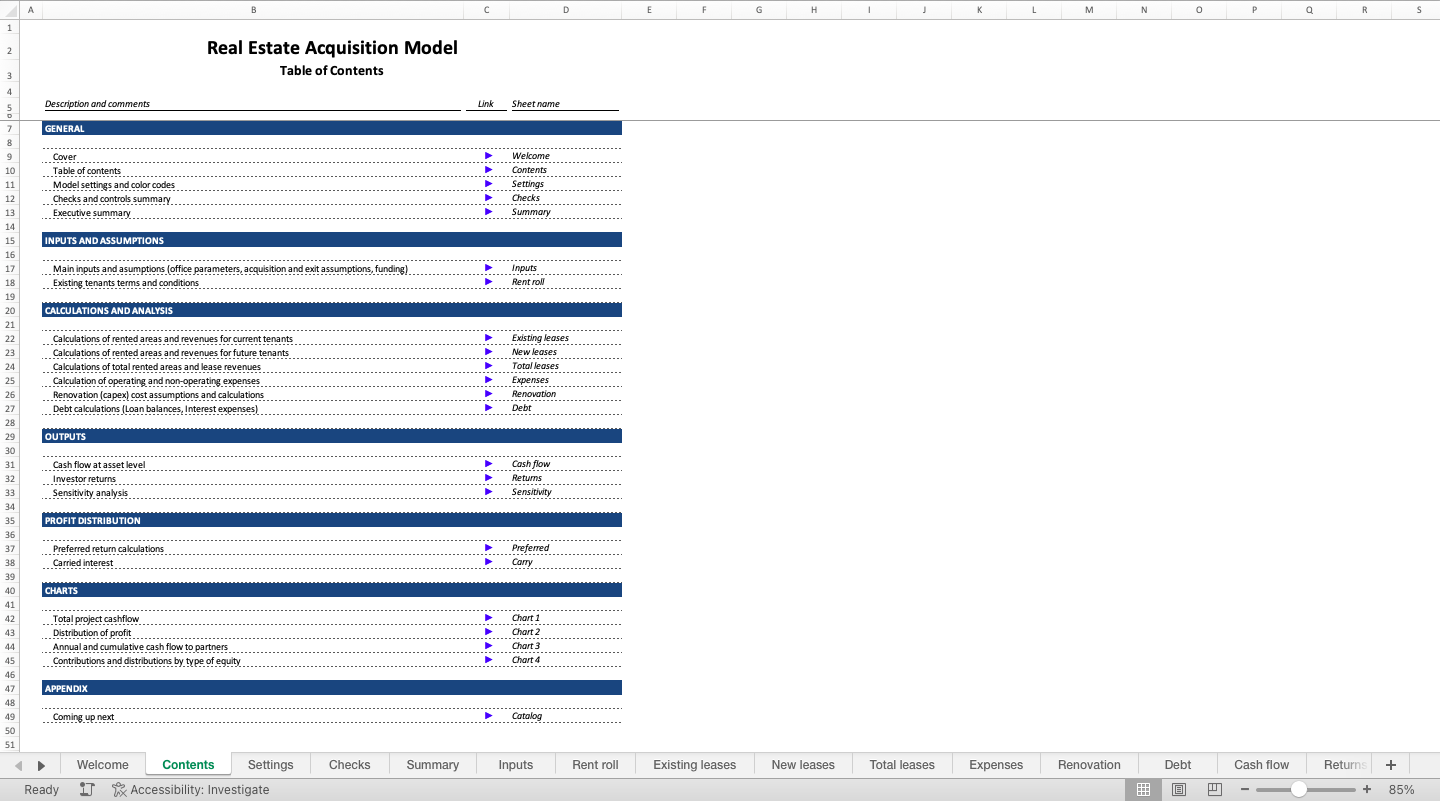
  • Table of Content
    No. Content
    RE Acquisition Model - Real estate acquisition financial model - Detailed instructions and comments in a separate text file
  • Reviews

    No Review. Write a review and be the first.

Related Products